

UNIPH Hosts South African Delegation for Laboratory Leadership Program Peer Learning Visit
Date: 23rd to 28th February 2026

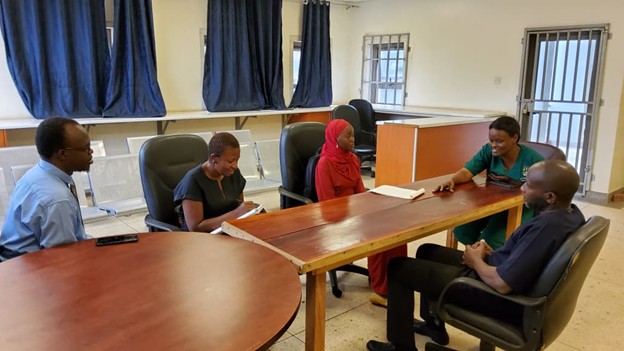
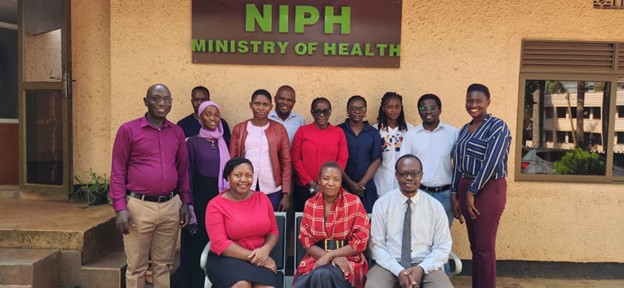
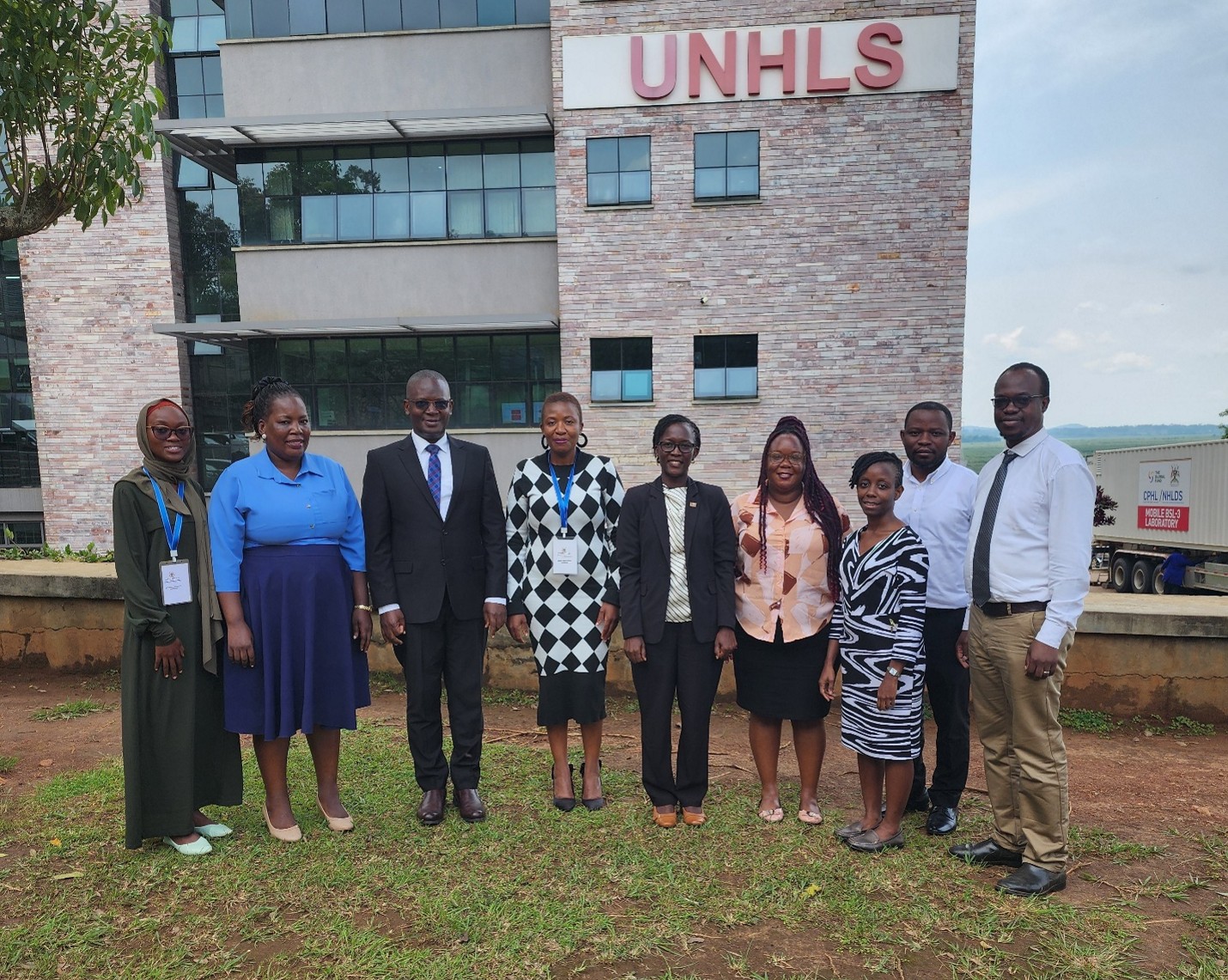
The Laboratory Leadership Program (LLP) under the Uganda National Institute of Public Health (UNIPH) from 23rd to 28th February 2026 hosted a delegation from the National Health Laboratory Service (NHLS), South Africa, for a week-long benchmarking visit. The purpose of the visit was simple but important: the South African team came to learn from UNIPH’s experience in setting up and running a Laboratory Leadership Program. Throughout the week, the delegation held discussions with UNIPH staff, interacted with fellows and alumni of the program, and met host site supervisors and mentors of the fellows. They also paid a courtesy call to the office of the Director – UNIPH, Commissioner – NHLDS, as well as the Laboratory Branch Chief – US CDC Uganda.
Learning How the Program Works
During the engagements, UNIPH staff shared their roles and responsibilities and explained how each function contributes to the smooth running of the program. These discussions provided practical insight into how the LLP is coordinated, supported, and implemented. The visiting team also met fellows who reflected on their journey in the program. They spoke about how the fellowship has strengthened their skills in data collection and analysis, public speaking, and advocacy. Many described how the experience has helped them grow professionally and build confidence in their work.
The Role of Mentorship
Host site supervisors and mentors shared how fellows are inducted at their placement sites and gradually embedded into the system. They explained that the mentor–mentee relationship develops over time and becomes a continuous learning process for both parties.
“The fellows try out new things in the program and work as if they belong there. They are trained to be flexible and explore new work based on what is available, which improves their skill sets as they progress,” says Dr Karungi Samuel, a host site mentor at Mulago Histopathology Laboratory.
A key lesson highlighted during the visit was that supportive supervision and mentorship is essential. Fellows benefit most when supervisors are intentional about guiding, mentoring, and creating opportunities for growth.
Key Reflections from the Visit
The peer-learning visit created space for open dialogue and shared learning. Some of the reflections that emerged included:
- The importance of strong and supportive supervision and mentorship for fellows to thrive.
- The value of collaboration beyond national borders to strengthen laboratory leadership efforts across Africa.
- The need to build a culture of information sharing to support growth and continuous improvement.
The week was marked by honest conversations, shared experiences, and a common goal of strengthening laboratory leadership. It was a reminder that learning across borders is not just possible, it is necessary for building resilient public health systems. The visit strengthened the relationship between the two institutions and opened conversations on how collaboration can continue in the future.

Comments are closed.